
Table of Contents
- Why This Marine Memoir Desert Storm Story Hits Differently
- A Military Memoir About Family, Not Just Combat
- The Veteran Benefits and Support Services Behind the Story
- What Makes a Military Memoir Inspiring Stories of Veterans Can Trust
- Strengths and Limitations: A Balanced Read
- Where It Fits Among Non-Fiction Military Books to Read in 2026
- Conclusion: Who Should Buy This Book
- Frequently Asked Questions
Last Updated: October 12, 2026
Why This Marine Memoir Desert Storm Story Hits Differently
Most Desert Storm memoirs end when the fighting stops. Gregory S. Davis’s 10,000 Miles to the Delivery Room begins its real story there. This Marine memoir Desert Storm account follows a husband and father racing home for the birth of his first child, offering an inspiring perspective on war through the heart of a husband and father that few combat narratives attempt. Published by Gregory S. Davis, a U.S.
The tension that drives the book: the mission did not end at the ceasefire. It ended at a hospital delivery room, and the distance between those two points is where the story lives.
The Race Home That Defines the Book
The title is not a metaphor. Ten thousand miles is the physical gap between a Marine in the Gulf and a delivery room back home, and the book treats that distance as its central character. Every chapter moves toward a single deadline that cannot be negotiated or rescheduled.
That structure separates this book from most war writing. Combat memoirs tend to build toward a battle. This one builds toward a birth.
A Military Memoir About Family, Not Just Combat
A military memoir about family asks a harder question than a combat memoir does: what happens to the people who stayed behind? Davis gives the home front equal weight. The deployment is the backdrop; the marriage, the pregnancy, and the waiting are the plot.
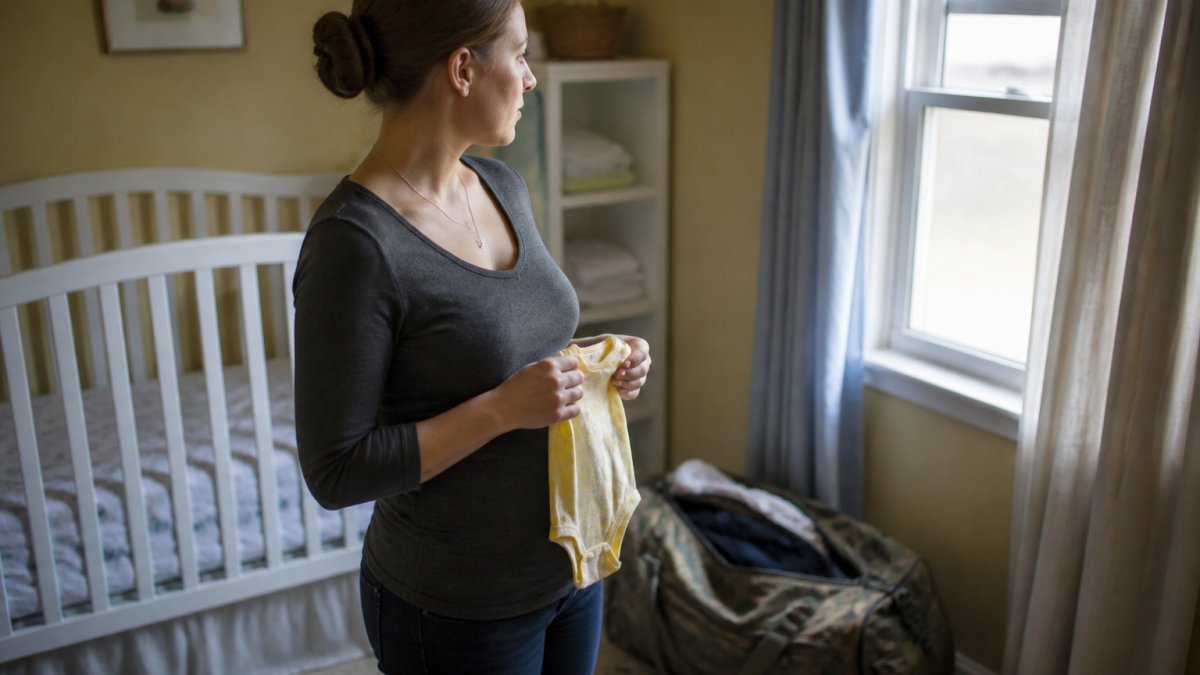
What the Spouse at Home Was Carrying
The spouse in this story carries a load that never appears on a duty roster. She manages a pregnancy alone, tracks news from a war zone, and holds a household together while the outcome of both is unknown. The book gives that experience real page time rather than treating it as a footnote.
For readers who have been that spouse, the recognition is immediate. The U.S. Department of Veterans Affairs resources for families and caregivers documents how much of a service member’s wellbeing runs through the family system, and this memoir shows that dynamic from the inside rather than the policy side.
The Veteran Benefits and Support Services Behind the Story
The veteran benefits and support services that exist today did not exist in the same form when Gulf War-era Marines came home, and that gap makes 10,000 Miles to the Delivery Room worth reading as more than a memoir. Davis writes about a man trying to reach a delivery room, not about claims or eligibility.
That context matters for readers who come to the book through the veteran publishing ecosystem. A husband-and-father war narrative does quiet work a benefits pamphlet cannot: it shows why the services exist by showing what their absence felt like.
What the Book Leaves Out, and Why That Matters
Davis does not name a single VA program, filing deadline, or eligibility category. That is a deliberate narrative choice, not an oversight. The book stays inside the experience of a Marine trying to get home, and the institutional machinery that would later process his generation’s claims sits offstage.
For readers who want that machinery explained, the standard resources are well documented:
- Health care enrollment, mental health services, and peer support through the U.S. Department of Veterans Affairs health care system
- Employment assistance, job training, and veterans’ preference in federal hiring
- Housing and homelessness prevention programs for veterans in transition
- Family and caregiver support, including job-protected leave under the U.S. Department of Labor family and medical leave guidance
- Community and outreach programs run by veteran service organizations
What the book adds to that list is not another program name. It adds the human reason the list exists.
If you served during the Gulf War era and never filed a claim, the eligibility rules have changed more than most people assume. A conversation with a veterans service officer costs nothing and often surfaces benefits people did not know they had earned. Read the memoir first, then make the call, the book tends to make the call easier to pick up.
The Transition to Civilian Life as a Literary Subject
That reframing is the book’s real contribution to the veteran publishing space. It does not compete with the service directories; it supplies the emotional context that makes those directories legible.
For readers building a shelf around military family experiences, pair the memoir with one authoritative services page. The book gives you the why; the services page gives you the how. Neither is complete without the other.
What Makes a Military Memoir Inspiring Stories of Veterans Can Trust
Authenticity is the currency of veteran publishing, and readers can usually tell within a few pages whether an author was there. Inspiring stories of veterans earn that label through specificity, not sentiment.
Voice: First Person, Present Tense, No Retrospective Wisdom
The book’s most distinctive craft choice is its refusal to let the narrator know more than the man in the moment knew. Davis does not write from the vantage point of a veteran who has processed the experience.
A weaker memoir would resolve that fog with a reflective paragraph on every few pages. This one lets it sit. The result is that the delivery-room deadline feels genuinely uncertain, even though any reader knows the book exists and therefore the author survived.
Structure: The Deadline as Narrative Engine
Most combat memoirs are structured around battles. This one is structured around a date. The ten-thousand-mile distance between the Gulf and the delivery room functions as a countdown, and every chapter either closes or widens that gap.
The trade-off is real: readers who want the operational texture of Desert Storm, unit movements, equipment, tactical decisions, will find the war rendered in broad strokes. The book is not a unit history. What it offers instead is the home-front timeline running parallel to the deployment timeline, a structure many war narratives do not attempt.
The Family’s Voice: Present, Not Decorative
The third test of a trustworthy military memoir is whether the people at home are characters rather than scenery. Davis gives the spouse her own interiority, her own fears, logistics, and relationship to the news from the Gulf. She is not a symbol of waiting but a person doing work that never appears on a duty roster.
That choice separates this book from most veteran-authored publishing. Many veteran memoirs mention family; fewer let family carry half the narrative weight. The husband-and-father perspective in the title is not a marketing frame; it is the book’s actual point of view.
The three markers of a trustworthy military memoir, present-tense voice, structural discipline, and family as character rather than scenery, are all present here.
Where It Sits in the Veteran Publishing Landscape
Veteran-authored publishing has expanded in recent years, but the husband-and-father perspective remains underrepresented relative to combat narratives and strategic histories. Books like this one matter less for adding new information about Desert Storm than for widening what a war story is allowed to be about. A reader who has never worn a uniform can finish it understanding something about deployment a policy brief cannot convey; a reader who has worn one can finish it understanding the people who waited.
Strengths and Limitations: A Balanced Read
The book’s greatest strength is its focus. It refuses to be a comprehensive war history, and that narrowness gives it emotional force. The husband-and-father perspective is sustained from first page to last, and the delivery-room destination gives the narrative momentum.
The limitations are worth stating plainly. Readers looking for tactical detail about Operation Desert Storm will not find it here. The book is not a unit history and does not place the war in a broader strategic frame.
There is also emotional weight to consider. The book deals with separation, fear of loss, and the strain deployment places on a marriage.
Do not pick this up expecting a purely uplifting homecoming story. The tension is real and it runs through most of the book. That is what makes the ending earned, but it also means the emotional load is genuine.
| Reader Type | Best Fit | Consider Instead If |
|---|---|---|
| Gulf War-era veteran | Strong fit: familiar terrain and timeline | You want tactical or strategic war history |
| Military spouse or partner | Strong fit: the home-front perspective is central | You prefer a purely combat-focused account |
| Parent separated by service | Strong fit: the delivery-room deadline drives the plot | You want a lighter, faster read |
| General memoir reader | Good fit: short, focused, emotionally direct | You avoid heavy emotional material |
| Military history researcher | Partial fit: personal narrative, not analysis | You need operational detail and sourcing |
Where It Fits Among Non-Fiction Military Books to Read in 2026
Non-fiction military books to read tend to fall into three camps: strategic histories, combat narratives, and home-front accounts. This book sits firmly in the third.
It fits best alongside other family-centered war narratives rather than in competition with combat memoirs. If your reading list already covers the operational side of Desert Storm, this book supplies the human side those accounts leave out. If you are building a list around military family experiences, it belongs near the top.
The most useful way to read this book is as a companion, not a substitute. Pair it with a Desert Storm history and you get both halves of the story: what the war was, and what it cost the people waiting at home.
Conclusion: Who Should Buy This Book
The audience here is specific and well served. Gulf War-era veterans who want a story reflecting their own timeline will find it. Military spouses and partners who carried a household through a deployment will recognize themselves on the page. Parents who missed or nearly missed a birth because of service will understand the stakes immediately. Children of veterans who want to understand what their parents’ generation went through will get an honest answer.
If you are looking for a tactical history, this is not it. If you want an inspiring perspective on war through the heart of a husband and father, this is exactly it.
Deployment and family milestones collide for thousands of service members every year, and most of those stories never get written down. 10,000 Miles to the Delivery Room captures one of them from the inside, with the honesty that a Marine veteran and a father can bring to a story only he lived. Gregory S. Davis offers a deeply personal account of Operation Desert Storm, the quiet battles military families fight at home, and the resilience that carries them through.
Frequently Asked Questions
What is 10,000 Miles to the Delivery Room about?
It is a Marine memoir about Gregory S. Davis, who served during Operation Desert Storm while his wife was pregnant with their first child. The book follows his deployment, the distance between him and home, and his race to return for the birth. It is a military memoir about family as much as it is about war, and it sits alongside inspiring stories of veterans because it shows the quiet battles fought off the battlefield.
How does the book portray the impact of war on military families?
The book shifts between the deployed Marine’s experience and the spouse managing pregnancy, family leave logistics, and daily uncertainty at home. It shows how deployment strains communication, finances, and mental health for both partners, and how community resources and peer support helped the family cope. Readers who want a military memoir about family will find the spouse’s perspective treated with the same weight as the combat narrative.
Is 10,000 Miles to the Delivery Room a true story?
Yes. It is a first-person account written by a U.S. Marine veteran who lived the events of Operation Desert Storm. The author’s service record and the specific details of the timeline, unit movements, and family circumstances anchor the narrative in real events rather than fictionalized drama. That authenticity is why it belongs on lists of non-fiction military books to read for readers who want lived experience, not invented heroics.
I’m a military spouse, not a veteran. Will I connect with this book?
The book gives substantial space to the spouse’s experience during deployment, including the emotional weight of separation, the practical demands of pregnancy without a partner present, and the relief and fear that come with a homecoming. Military spouses and partners often say the dual perspective is what makes it stand out among inspiring stories of veterans, because it does not treat the family as background scenery.