Quick Summary
The best military memoir books are firsthand accounts written by people who served, giving an honest, personal view of combat, boredom, loss and the road home. Strong picks span eras, including Eugene B. Sledge’s With the Old Breed, Philip Caputo’s A Rumor of War and Anthony Swofford’s Jarhead. Military memoir books differ from histories because one person’s experience shapes what the reader learns.
- Good memoirs show honesty about fear, doubt and mistakes, not just battle scenes.
- Read one memoir per era alongside a short history of that conflict for context.
- Memoirs written soon after service feel rawer; later ones carry more hindsight.
- Family-centered memoirs such as 10,000 Miles to the Delivery Room suit military families well.
- Pace reading during your own deployment, choosing hopeful stories if the subject is close to home.
Table of Contents
- What Makes a Military Memoir Worth Reading
- Best Military Memoir Books for Firsthand Combat Accounts
- Military Books Based on True Stories Across Eras
- Military Memoirs About Family, Separation and Home
- Military Autobiography Recommendations by Reader Interest
- Memoir or History Book: How to Choose
- Choosing Your Next Military Memoir to Read
- Frequently Asked Questions
What Makes a Military Memoir Worth Reading
Last Updated: November 12, 2026
Military memoir books give readers something histories and novels often cannot: a single person’s account of what service felt like from the inside. A good military memoir is worth your time because it is honest about fear, boredom, loss and the long road home, not just the battles. The strongest books in this genre tell the truth about ordinary people facing defining moments.
Military memoirs are firsthand autobiographical accounts written by people who served. They differ from official histories because the author chooses what to include and how to frame it. Scholarship on the genre notes that memoirs are shaped by genre conventions, the state, and the author’s own self-censorship, as K. N. Jenkings argued in The Censorships of Genre, State, and Self. Knowing this helps you read critically.
When you evaluate a memoir, look for these qualities:
- Specific detail: Names of places, daily routines and sensory description signal lived experience.
- Honesty about doubt: The strongest authors admit mistakes and uncertainty.
- A clear human stake: A reason beyond the mission, such as family or a promise to return, anchors the story.
- Context for civilian readers: Good memoirs explain terms and situations without condescension.
A common mistake is choosing a memoir only for its combat scenes. Many readers find the quieter chapters about waiting, letters and reunion stay with them longer.
Best Military Memoir Books for Firsthand Combat Accounts
Firsthand combat accounts are the genre’s best-known category, and they vary widely in tone. Some are documentary and clinical. Others read like confessions. Use the descriptions below to match a book to what you want from it.
Best for: readers who want immediacy and direct exposure to the physical reality of combat.
A useful test is whether the author describes decisions and their consequences, not just events. Memoirs that show a writer weighing a choice tend to teach more about war than those that only list engagements.
Skip if: you want a broader historical overview. A single participant’s view cannot explain the strategy behind a campaign.
Military Books Based on True Stories Across Eras
Military memoirs span a long range of conflicts, and reading across eras shows how the experience of service, and how it gets written about, has changed. This is a curated starting point, not a definitive canon; each entry notes what the book does best so you can match it to your interest.
World War I and World War II
- Goodbye to All That by Robert Graves (1929), A British officer’s account of trench warfare and the psychological cost of survival.
- With the Old Breed by Eugene B. Sledge (1981), A U.S. Marine’s memoir of Peleliu and Okinawa.
- The Forgotten Soldier by Guy Sajer (1967), A Franco-German soldier’s account of the Eastern Front. Read it alongside a history of the campaign.
Vietnam War
- If I Die in a Combat Zone by Tim O’Brien (1973), A memoir by a soldier who later became a novelist.
- A Rumor of War by Philip Caputo (1977), A Marine lieutenant’s account of the early years of U.S. involvement.
- Bloods: An Oral History of the Vietnam War by Black Veterans by Wallace Terry (1984), An oral history collecting firsthand testimony from Black service members.
Gulf War and Post-9/11 Conflicts
- Jarhead by Anthony Swofford (2003), A Marine sniper’s memoir of the 1991 Gulf War.
- The Yellow Birds by Kevin Powers (2012), A novel.
- 10,000 Miles to the Delivery Room by Gregory S. Davis, A Marine’s true story of racing home during Operation Desert Storm for the birth of his first child. It sits at the intersection of war memoir and family narrative, and it is a strong entry point for readers who want a Gulf War account with a home-front arc.
How to read across eras
Reading true stories from different periods can reveal recurring themes, even when the battlefields differ. A practical approach is to read one memoir per era alongside a short history of that conflict, so you can see where an individual’s view fits the larger record.
Watch out: memoirs written decades after the events they describe are shaped by hindsight and by the author’s later life; a memoir published soon after service often carries rawer immediacy but less context. Neither is automatically more accurate, so check the publication date and any author’s note about how the book was written.
Military Memoirs About Family, Separation and Home
Family is central to many of the most affecting military memoirs. Separation, letters, missed milestones and reunion can carry as much emotional weight as any firefight. For military spouses, partners and children of veterans, these books often feel the most relevant.
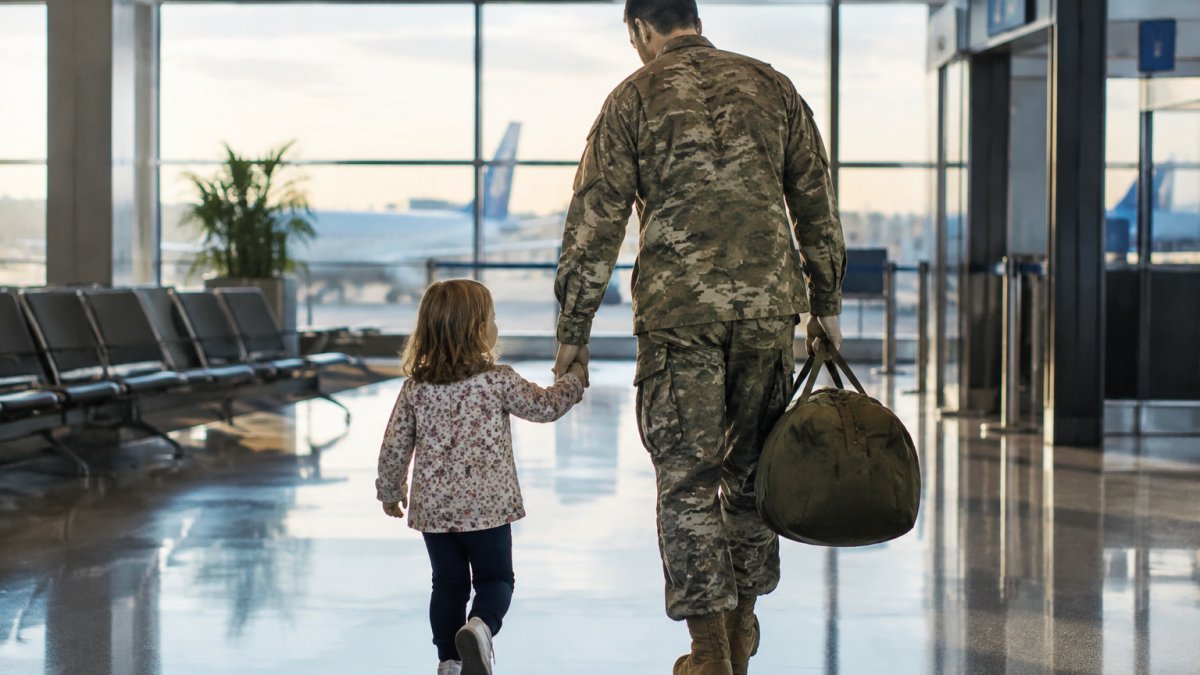
Davis’s account focuses on the quiet battles military families face. For a reader who has lived through deployment, that focus on home can be more recognizable than the combat itself.
Watch out: reading family-centered memoirs during your own deployment or separation can bring up strong feelings. Pace your reading and pick a book with a hopeful arc if the subject is close to home.
The table below summarises the family-centred memoir discussed in this section.
| Book | Author | Focus |
|---|---|---|
| 10,000 Miles to the Delivery Room | Gregory S. Davis | Racing home for the birth of his first child |
| Operation | Desert Storm | Gulf War, 1991 |
| Audience | Military families | Home-front perspective |
Military Autobiography Recommendations by Reader Interest
Choosing the right memoir depends on why you are reading. The recommendations below group titles by reader interest and note what each book offers, so you can move from a general question to a specific pick. These are editorial suggestions based on firsthand perspective, writing quality, and how well each book serves its intended reader, not a ranking.
For readers new to military memoirs
Start with books that have clear structure, plain language, and a strong narrative arc. Jarhead by Anthony Swofford is a common entry point because it is organized around a single deployment and explains military culture without assuming prior knowledge. 10,000 Miles to the Delivery Room by Gregory S. Davis is another accessible choice: its focus on a Marine’s race home during Operation Desert Storm gives civilian readers a clear human stake from the first page.
For veterans
Veterans often connect with narratives that match their own era and branch of service, but the strongest matches are books that capture small-unit life and the texture of daily service rather than only combat. With the Old Breed by Eugene B. Sledge is a memoir of Marine infantry life in the Pacific. For post-9/11 readers, memoirs by veterans of Iraq and Afghanistan offer a range of voices from recent conflicts.
For military spouses, partners, and families
Readers who have lived through deployment often value stories centered on home, separation, and reunion. 10,000 Miles to the Delivery Room is a fit for military families, since it centres on a Marine racing home for the birth of his first child. The Yellow Birds by Kevin Powers, though a novel, portrays the bond between soldiers; pair it with a nonfiction account for balance.
For children of veterans
Readers seeking a window into a parent’s generation often do best with memoirs that include context about the conflict and the home front.
For leadership and military-history readers
Readers interested in decision-making and command can look to memoirs that show the author weighing choices and their consequences. A Rumor of War is a Marine lieutenant’s account of the early years of U.S. involvement in Vietnam. For a broader historical view, pair any memoir with a campaign history so you can see how individual decisions fit the larger strategy.
How to use these recommendations
Browse by the question you want answered, “what was combat like,” “how did a family cope,” or “how did a leader make decisions”, rather than by title alone. That approach narrows the list faster and helps you avoid picking a book that is well reviewed but mismatched to your interest.
Watch out: reading family-centered or combat-heavy memoirs during your own deployment or separation can bring up strong feelings. Pace your reading and choose a book with a hopeful arc if the subject is close to home.
Memoir or History Book: How to Choose
Memoirs and military histories answer different questions. A memoir gives you one person’s experience and emotional truth. A history gives you the broader sequence of events, the strategy and the documented record across many sources.
Many readers get the best understanding by reading both. Start with a memoir to build a human connection to the period, then read a history to see how individual experiences fit the larger picture.
Look at the author’s background and how the book was published. Memoirs are personal accounts, so check whether the author and publisher are transparent about the material’s origins.
Choosing Your Next Military Memoir to Read
Start with the reader profile that fits you, then pick a book that matches your tolerance for intensity. If you want an emotional story about home and reunion, begin with a family-centered memoir. If you want direct combat exposure, choose a firsthand account from a conflict that interests you.
Gregory S. Davis’s 10,000 Miles to the Delivery Room is a strong starting point for readers who value resilience and the strength of family bonds. You can learn more about military memoir books to compare titles before deciding.
Frequently Asked Questions
What is the best military memoir?
There is no single best military memoir because readers come to the genre for different reasons. Firsthand combat accounts suit readers who want the immediacy of battle, while family-centred memoirs suit readers who want to understand what deployment costs the people left behind. A useful starting point is a memoir written by someone who served in the period you are most interested in, such as the Gulf War era covered in Gregory S. Davis’s ‘10,000 Miles to the Delivery Room’, a true story of a Marine racing home for the birth of his first child. Check a book’s details and sample pages before committing.
What are some popular military books based on true stories?
Military books based on true stories range from combat memoirs to accounts of service in peacetime and family life during deployment. Popular titles tend to be firsthand accounts by veterans, which gives them a direct voice that histories often lack. When choosing, look for the author’s own service record and whether the book states what was reconstructed from memory or notes. Gregory S. Davis’s book is a true account from a U.S. Marine veteran about Operation Desert Storm and the personal stakes of separation.
Are there military memoirs about family and returning home after deployment?
Yes. Many military memoirs focus on the home front, including spouses managing households alone, parents missing milestones and the difficult readjustment after deployment ends. These books are often as much about family bonds as about war. If your interest is family rather than combat, look for memoirs that describe life between deployments and the emotional effects on children and partners. Gregory S. Davis’s ‘10,000 Miles to the Delivery Room’ covers a Marine’s attempt to reach home for a birth, which speaks directly to this theme.
What is the difference between a military memoir and a military history book?
A military memoir is written from the author’s own experience and reflects one person’s perspective, emotions and memory. A military history book is researched across many sources and aims to explain events, decisions and outcomes in a broader context. Memoirs give intimacy and emotional detail, while histories give scope and verified context. Many readers use both: a memoir to understand what a single day felt like, and a history to see how that day fit into the larger campaign.
