
Last Updated: November 14, 2026
Quick Summary
A good short Gulf War memoir to read first is Gregory S. Davis’s 10,000 Miles to the Delivery Room, a personal account of Operation Desert Storm by a U.S. Marine veteran. Short books like this suit veterans, military spouses, and readers who want a focused true story before committing to a longer gulf war memoir.
- The article’s cutoff for a short memoir is 300 pages or fewer.
- At 250-300 words per minute, a 300-page book takes about 4-6 hours to read.
- 10,000 Miles to the Delivery Room follows a Marine racing home for his first child’s birth.
- The memoir focuses on family separation and deployment stress more than combat detail.
- Oral history collections like Desert Voices offer multiple perspectives beyond a single author’s account.
Table of Contents
- Why Short Gulf War Memoirs Are Worth Your Time
- How We Defined ‘Short’ for This List
- Best Short Gulf War Memoir to Read: 10,000 Miles to the Delivery Room
- Operation Desert Storm Memoir Options Beyond Gulf War Titles
- Gulf War Books Compared: Length, Perspective and Tone
- Where to Find a Short Gulf War Memoir to Read Free
- Choosing Your First Gulf War Memoir This Week
- Frequently Asked Questions
Why Short Gulf War Memoirs Are Worth Your Time
Looking for a short Gulf War memoir to read? Gregory S. Davis, a U.S. Marine veteran, wrote 10,000 Miles to the Delivery Room, a personal account of Operation Desert Storm.
Short books work well for veterans revisiting their own era, for military spouses trying to understand what deployment felt like, and for readers who simply want a focused true story.
Gulf War memoirs also vary a great deal in focus and tone. Starting with a shorter book lets you judge the style and tone before committing to something longer.
U.S. Marine Corps History Division Gulf War publications
How We Defined ‘Short’ for This List
Most lists for this query are shelves, not shortlists. They name Gulf War books without telling you how long any of them take to read, so you still have to open a dozen product pages to find out which one fits a weekend. This section fixes that by stating the rule up front.
Our cutoff: 300 pages or fewer. That is the practical line where a memoir stops being a multi-week commitment and becomes something you can finish in a handful of sittings. At a typical adult reading pace of about 250-300 words per minute, and roughly 250-300 words per printed page for memoir prose, a 300-page book works out to about 4-6 hours of reading, two or three evenings, or one long weekend. A 200-page memoir lands closer to 3-4 hours. We use page count rather than word count because page count is what you can actually check on a retailer or library listing before you commit.
Scope: the 1990-1991 Gulf War. We include memoirs built around Operations Desert Shield and Desert Storm, the air campaign, the ground war, and the immediate return home. We exclude memoirs centered on the 2003 Iraq War, Afghanistan, or the broader post-9/11 period. Those are legitimate reads, but they are a different war, a different deployment rhythm, and often a different tone, several of the top-ranking results blur this line, which is why we keep it sharp here.
What we checked for each title. Three things: (1) that the book is a first-person memoir or a memoir-driven narrative rather than a unit history or strategic analysis; (2) that the Gulf War is the central subject, not a chapter; and (3) that the length is verifiable from the publisher or a major retailer listing. Where a page count varies by edition (hardcover, paperback, large print), we cite the most common paperback figure and say so.
What we did not do. We did not rank by literary prize, sales, or branch of service. A short memoir that is emotionally direct but plainly written can serve a reader better than a celebrated 500-page account. Length and focus are the filters; taste is yours.
Watch out: page counts on retailer pages sometimes reflect a later edition with a new introduction or added appendices, which can push a book over the 300-page line. Check the specific edition you are buying, not just the title.
Best Short Gulf War Memoir to Read: 10,000 Miles to the Delivery Room
Gregory S. Davis’s 10,000 Miles to the Delivery Room follows a Marine racing home from Operation Desert Storm in time for the birth of his first child. Read an independent review of this memoir before you commit to it.
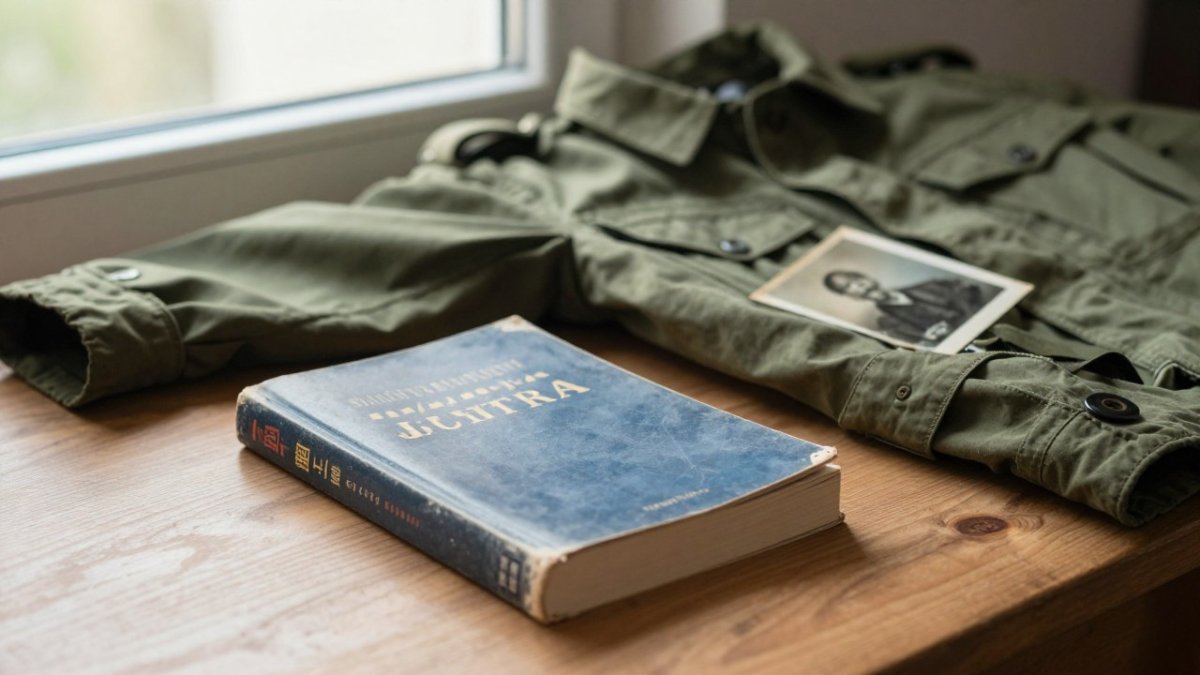
The book focuses on the quiet battles military families face, not only the battlefield. Readers who value stories of resilience, sacrifice and family bonds may find it relevant.
Operation Desert Storm Memoir Options Beyond Gulf War Titles
Gulf War memoirs are not the only option. Oral history collections can offer a wider view than a single author’s account (Oral History: Defined).
Desert Voices oral history anthology of Marines in the Gulf War
Readers who want more than one perspective can combine a personal memoir with a collection of firsthand accounts. This pairing often gives a fuller picture of how the same events looked from different ranks and units.
Gulf War Books Compared: Length, Perspective and Tone
The table below puts the featured memoir alongside other Gulf War accounts so you can see perspective and tone side by side. Confirm details on the listing you buy from.
| Title | Author | Approx. length | Perspective | Tone | Content notes |
|---|---|---|---|---|---|
| 10,000 Miles to the Delivery Room | Gregory S. Davis | Short (verify current edition) | Individual Marine, home-front deadline | Reflective, emotional | Family separation, deployment stress; minimal combat detail |
| Jarhead | Anthony Swofford | ~350 pp (over our cutoff) | Enlisted Marine scout-sniper | Raw, profane, darkly comic | Graphic language, combat and casualty descriptions, strong anti-war undercurrent |
| The Gulf War Chronicles | Richard S. Lowry | ~300 pp | Operational narrative (not a memoir) | Factual, campaign-focused | Detailed air and ground operations; useful as a companion, not a personal account |
| She Went to War | Rhonda Cornum with Peter Copeland | ~250 pp | Female Army flight surgeon, POW | Direct, matter-of-fact | Capture and detention; injury; candid on treatment of women in service |
| Desert Voices (oral history collection) | U.S. Marine Corps History Division | Varies by edition | Many Marines, multiple ranks | Documentary, varied | Wide range of voices; not a single narrative, so read it as a chorus rather than a story |
Where to Find a Short Gulf War Memoir to Read Free
To buy 10,000 Miles to the Delivery Room, you can visit the author’s book page. For a broader selection of titles, see our guide on buying Desert Storm memoirs online.
Pricing depends on the edition and retailer, so check the book’s page for current prices or availability.
Choosing Your First Gulf War Memoir This Week
Start with the question you most want answered. If you want a personal, emotional story about family and deployment, a focused memoir like 10,000 Miles to the Delivery Room is a strong first read. If you want a wider range of voices, an oral history collection may suit you better.
Decide how you will read it, too. Choosing the format you will actually use makes it far more likely you will finish.
For a wider range of options, explore more Gulf War memoirs written for veterans, and compare Desert Storm books by length and tone before you decide.
Frequently Asked Questions
What is the best book about the Gulf War?
The best choice depends on what you want from the book. Readers who want a personal, ground-level account often prefer a memoir, while readers who want the broader strategy of Operation Desert Storm may prefer a historical history. For a short, intimate read, a first-person account from a Marine is a strong starting point, because it focuses on one person’s experience rather than the full campaign. Check page counts before you buy so the length matches the time you have.
Which Gulf War memoir is a quick read?
Look for memoirs with a tight focus on a single period or event, since these usually run shorter than sweeping campaign histories. Gregory S. Davis’s ‘10,000 Miles to the Delivery Room’ follows one Marine racing home during Operation Desert Storm. Confirm the page count on the publisher’s listing or your library catalogue, as editions vary in length and formatting.
What is the difference between a Gulf War memoir and a history of Operation Desert Storm?
A memoir is written from the author’s own point of view and centres on personal decisions, fears and relationships. A history of Operation Desert Storm usually covers planning, military operations and political context across many units. Memoirs give you the feeling of being on the ground, while histories give you the wider picture. Many readers start with a memoir and then read a history to fill in the strategic background.
Are there memoirs about the experiences of military families during the Gulf War?
Yes. Some Gulf War accounts focus on the people left at home, including spouses, partners and children waiting for deployed service members to return. Davis’s book is one example, since it centres on a Marine’s concern for his family while he is far away. If family life during deployment is your main interest, look for titles whose description mentions home front experiences before you buy.
