
Table of Contents
- Why Personal Accounts of the Vietnam War Still Matter
- Vietnam War Memoirs: First-Person Stories That Stay With You
- Vietnam War Draft Experiences: How Conscription Shaped Service
- North Vietnamese Veterans’ Stories: The Other Side of the Battlefield
- American POW Stories Vietnam War: Survival Behind Barbed Wire
- How to Read Personal Accounts of the Vietnam War With Context
- Conclusion: What These Voices Ask of Us
- Frequently Asked Questions
Last Updated: October 18, 2026
Why Personal Accounts of the Vietnam War Still Matter
Personal accounts of the Vietnam War are firsthand testimonies, memoirs, letters, and oral histories that record what individual service members, civilians, and families experienced during and after the conflict.
The personal accounts of the Vietnam War that endure are rarely the ones with the biggest battles.
The war ran from the late 1950s through 1975 and touched millions of lives across the United States, North Vietnam, South Vietnam, and beyond.
Below, we walk through the major categories of accounts, how to read each one with context, and what these voices ask of the people who inherit them.
Vietnam War Memoirs: First-Person Stories That Stay With You
Vietnam War memoirs are book-length first-person narratives written by people who served or lived through the conflict. They range from combat memoirs by infantry and pilots to accounts by nurses, journalists, and family members waiting at home.
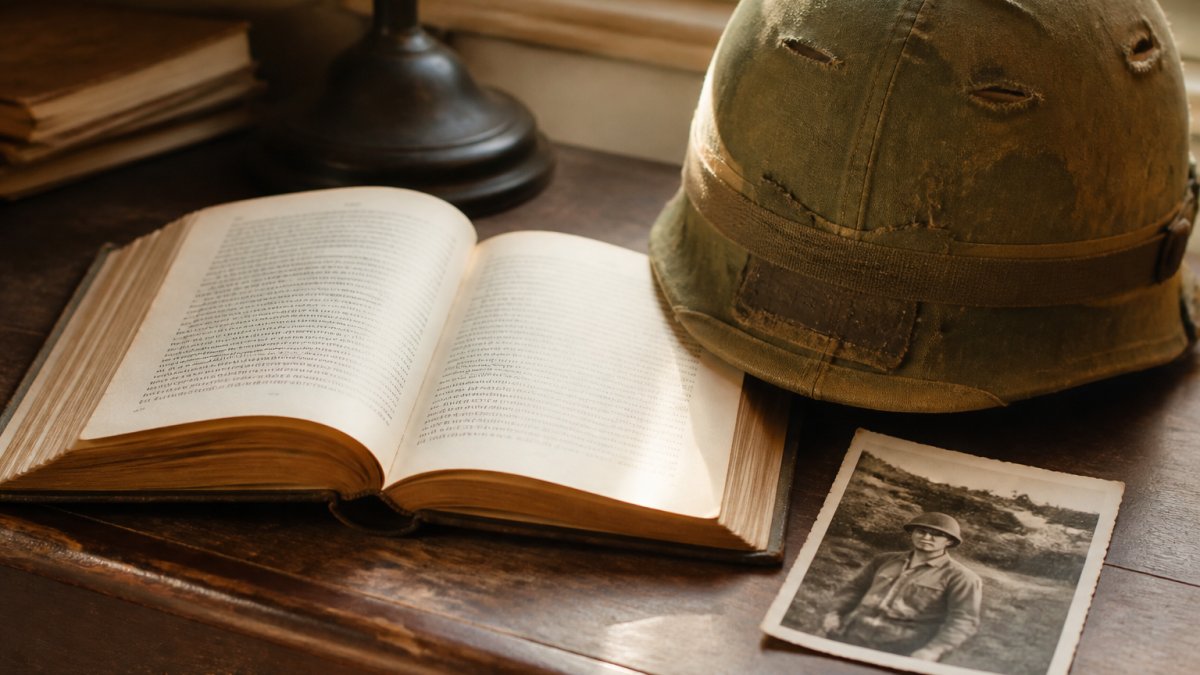
What separates a memoir that lasts from one that fades? Specificity. The best ones do not try to explain the entire war. They stay close to one person’s view of it.
A few things to look for when you pick one up:
- A clear scope. The author tells you where they served, when, and in what role. Vague memoirs tend to be vague about facts.
- Honest uncertainty. Good memoirists admit what they did not know at the time.
- Details beyond combat. Food, weather, mail, boredom, and the people back home carry as much weight as firefights.
A common mistake is reading a single memoir as a stand-in for the whole war.
Vietnam War Draft Experiences: How Conscription Shaped Service
Vietnam War draft experiences describe how conscription shaped who served, when they served, and how they felt about it. The draft turned military service into a personal decision forced by a government notice, and that pressure shows up in nearly every account from the era.
Most accounts of the draft share a handful of themes:
- The notice itself. Many writers describe the letter arriving and the immediate scramble to understand what it meant.
- Choices under pressure. Enlisting to choose a branch, pursuing deferments, or reporting as ordered. Each path carried its own consequences.
- Class and education. Who went and who found a way out is one of the most contested questions in the literature, and accounts from different backgrounds answer it differently.
If you want to understand the war from the inside, draft accounts are a good starting point because they explain how people arrived at their service before they describe what happened during it.
North Vietnamese Veterans’ Stories: The Other Side of the Battlefield
North Vietnamese veterans’ stories record the war from the perspective of the soldiers and civilians on the opposing side. Reading them is uncomfortable for some American readers, and that discomfort is exactly why they belong in a serious reading list.
These accounts tend to emphasize different things than American memoirs. You will find more about endurance, supply shortages, family separation, and the political framing of the war. You will also find grief that reads much like grief anywhere.
Where North Vietnamese and NLF accounts come from
- Wartime diaries and letters. Some were written during the war and preserved, sometimes buried or carried for years. They tend to be immediate and unpolished.
- Postwar memoirs and oral history projects. Many were recorded or published decades later, often with official framing or editorial mediation.
- Translated collections and archives. English-language readers usually encounter these through translation anthologies, university oral history projects, and documentary collections. Check who conducted the interview, when, and who translated it.
A useful example of the diary form is the wartime journal of Dang Thuy Tram, a North Vietnamese military doctor who served in Quang Ngai and was killed in 1970; her diary was recovered and later published in English as Last Night I Dreamed of Peace. It is valuable precisely because it is a wartime document rather than a retrospective memoir, and it shows a young woman’s daily life, homesickness, and medical work rather than battlefield tactics.
South Vietnamese and civilian voices
A balanced reading list also includes South Vietnamese service members and civilians, whose accounts are less often translated but increasingly available through oral history projects and family memoirs. These voices complicate the simple “North versus South” frame: many South Vietnamese soldiers fought for years, and civilians in both halves of the country experienced displacement, bombing, and occupation. When you read a North Vietnamese veteran’s account, pair it with a South Vietnamese or civilian account from the same region and period so you are comparing experiences, not slogans.
How to read a translated account
When you read a translated account, look for the original interview or writing date. Accounts recorded in the 1990s or later carry decades of reflection and, sometimes, official framing. That does not make them false. It makes them a different kind of source than a letter written in 1968.
Ask three questions of every translated account:
- Who mediated it? An interviewer, translator, or state publisher can shape emphasis and omission.
- When was it recorded? Wartime documents and postwar reflections answer different questions.
- What is the scope? A single diary from Quang Ngai cannot represent the whole PAVN, any more than one American memoir can represent the U.S. military.
Read several accounts against each other, and read them against American and South Vietnamese accounts from the same years. The goal is not to balance one testimony with another as if they cancel out. It is to see the same war from more than one set of eyes.
American POW Stories Vietnam War: Survival Behind Barbed Wire
American POW stories from the Vietnam War describe captivity, interrogation, isolation, and the long process of coming home. They are among the most widely read accounts of the conflict, and among the easiest to sensationalize. A useful guide does two things competitors rarely do: it explains the concrete conditions and chronology of captivity, and it tells you where each account comes from so you can weigh it.
The shape of captivity
Most American prisoners were held in North Vietnam, with the largest and most famous facility being the Hoa Lo prison in Hanoi, which prisoners called the “Hanoi Hilton.” Captivity conditions varied by period and location. Early prisoners often faced prolonged isolation and harsh interrogation; later in the war, treatment and access to mail and medical care changed, sometimes in response to international pressure and U.S. policy.
A few concrete mechanisms shaped daily life:
- Communication codes. Prisoners developed tap codes and other methods to communicate through walls, which mattered for morale and organization.
- Resistance and coercion. Interrogation and propaganda sessions were part of captivity; accounts differ on how much prisoners resisted, complied, or negotiated.
- Release and return. Many prisoners were released during Operation Homecoming in 1973, while others remained unaccounted for, which shaped families’ experiences and later advocacy.
A curated guide to POW accounts
Rather than a scattered list of quotes, here is a short, format-aware guide. Each entry notes the perspective and the kind of source it is, so you can choose what fits your reading.
- Memoirs by former prisoners. Book-length memoirs offer reflection and narrative but are shaped by hindsight and audience. Read them alongside wartime documents when possible.
- Diaries and letters. Wartime documents are immediate but fragmentary; they show daily routine and emotion rather than overview.
- Oral history interviews. Interviews capture voice and memory but depend on the interviewer’s questions and the recording date.
When you pick up a POW account, note three things before you read: the date it was written or recorded, whether it is a wartime document or a postwar memoir, and who the intended audience was. Those details tell you what kind of source you are holding.
Questions to keep in mind
- When was the account written? A memoir published twenty years later reflects years of processing. A diary smuggled out during captivity does not.
- Who is the audience? Some accounts were written partly to advocate for missing service members and their families. That purpose shapes the telling.
- What is left out? Many former prisoners chose not to describe certain experiences at all. Silence is part of the record.
Families of prisoners lived through their own version of the war, waiting on mail and official notices. Accounts from spouses and parents are worth reading alongside the prisoner narratives, because they describe the same years from the other side of the ocean. Pairing a POW memoir with a family account and a wartime document gives you three different kinds of evidence about the same captivity, which is more useful than any single vivid story.
How to Read Personal Accounts of the Vietnam War With Context
Reading personal accounts of the Vietnam War with context means checking each source’s origin, date, purpose, and perspective before you accept its claims as representative.
Here is a simple framework we recommend:
| Step | What to Check | Why It Matters |
|---|---|---|
| 1. Origin | Who recorded it, and how? | Interviews, letters, and memoirs carry different reliability |
| 2. Date | When was it written or recorded? | Later accounts include reflection and hindsight |
| 3. Role and region | Where did this person serve, and in what job? | One role cannot represent the whole war |
| 4. Purpose | Was it written to inform, advocate, or remember? | Purpose shapes emphasis and omission |
| 5. Corroboration | Do other accounts describe the same events? | Agreement across sources strengthens a claim |
For broader historical grounding, the National Archives Vietnam War records and the Library of Congress veterans’ oral history collections are reliable starting points for dates, units, and official context. Pairing a memoir with an archival record keeps the personal story anchored.
Do not treat a vivid account as automatically accurate. Memory shifts over decades, and some published memoirs blend recollection with reconstruction. Cross-checking dates and units against archival records is not distrust. It is how you honor the testimony properly.
Conclusion: What These Voices Ask of Us
The people who told these stories did not do it to settle arguments.
That is the thread running through every account in this guide: war is experienced by individuals, and the individuals are not interchangeable.
Gregory S. Davis writes from that same conviction.
If these voices have stayed with you, read one more account this year. Then read one from the other side.
Frequently Asked Questions
Where can I read personal accounts of the Vietnam War?
Start with published memoirs, oral history collections held by university archives, and documentary interview transcripts. Many veterans’ organizations and the Library of Congress Veterans History Project have recorded testimony you can access online. Bookstores carry widely taught Vietnam War memoirs alongside newer collections that include South Vietnamese and civilian voices. Read more than one account of the same period so you can compare perspectives and see how memory and context shape each story.
What was the Vietnam War draft, and how did it affect people?
The draft required young men to register for military service, with local boards deciding who was called and who received deferments. Vietnam War draft experiences varied widely: some men volunteered to choose their branch, others were conscripted, and many sought college deferments or medical exemptions. The system fell hardest on working-class and minority communities, which fueled protest and reform. In 1973 the draft ended and the U.S. moved to an all-volunteer force, but its effects on families and politics lasted for decades.
What did American prisoners of war in Vietnam go through?
American POW stories Vietnam War survivors tell describe isolation, hunger, untreated injuries, and long stretches of interrogation. Many were held for years, some in the Hanoi area, and relied on coded communication with other prisoners to keep their spirits up. Survival often came down to routine, faith, and loyalty to the person in the next cell. After release, former POWs faced a long adjustment, and their accounts remain some of the most detailed testimony about endurance under captivity.
How did Vietnam War veterans adjust to life after returning home?
Homecoming was rarely simple. Many returning veterans dealt with trauma, nightmares, and a public that was divided about the war. Some found support through family and unit friendships; others struggled with divorce, debt, and isolation. North Vietnamese veterans’ stories describe similar postwar hardship, including injuries and economic strain. Reading personal accounts of the Vietnam War helps families and later generations understand why the war’s effects carried into health, work, and community life for decades.
The stories that endure are the ones told honestly. If you want a firsthand narrative of service, separation, and the pull of home, read 10,000 Miles to the Delivery Room by Gregory S. Davis, a U.S. Marine veteran’s account of the quiet battles military families fight. Visit Gregory S. Davis to buy the book and continue the conversation these voices started.